
How to Get Into a Substance Abuse Program: A Step-by-Step Guide
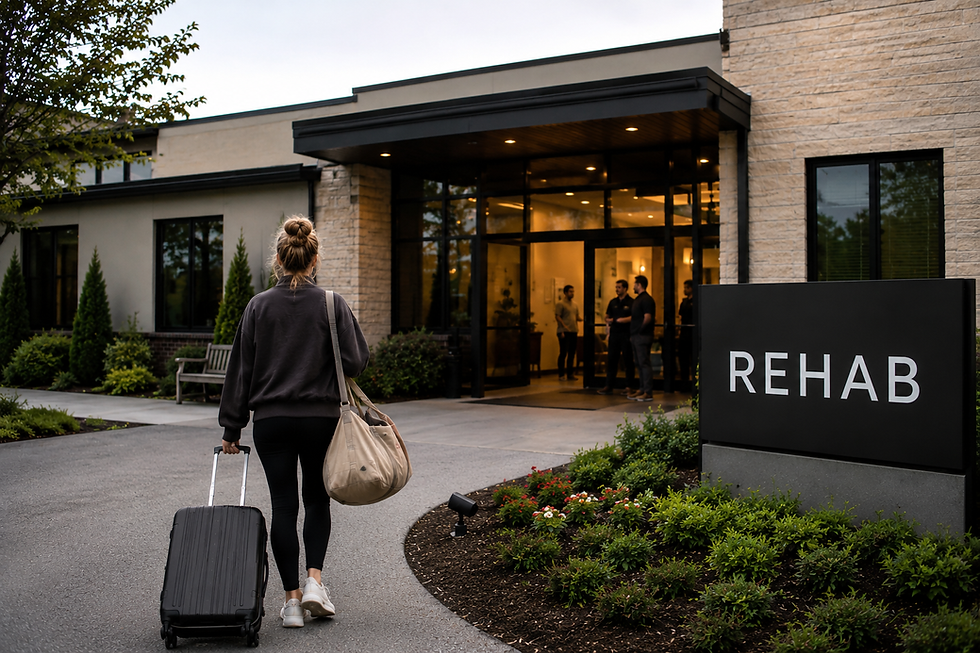
How to Get Into a Substance Abuse Program: A Step-by-Step Guide
Deciding to seek help for addiction is one of the biggest and most important steps a person can take. For many people, the hardest part is not treatment itself — it is figuring out where to begin. The process can feel overwhelming, especially when someone is already struggling emotionally, mentally, or physically.
The good news is that getting into a substance abuse treatment program is often much more straightforward than people expect. Whether someone is dealing with alcohol addiction, drug abuse, or co-occurring mental health conditions, professional help is available.
Understanding the steps involved can make the process feel less intimidating and help individuals move toward recovery with more confidence.
Step 1: Recognize That Help Is Needed
The first step toward recovery is acknowledging that substance use has become a problem. This can be difficult because addiction often involves denial, shame, or fear.
Some signs it may be time to seek treatment include:
Inability to stop using substances
Withdrawal symptoms
Drinking or using drugs daily
Neglecting responsibilities
Relationship problems
Mental health struggles
Financial or legal issues
Failed attempts to quit alone
Seeking help is not a sign of weakness. In many cases, it is the beginning of rebuilding a healthier life.
Step 2: Research Treatment Options
There are many different types of substance abuse programs available. Treatment plans are often based on the severity of addiction, mental health needs, and personal circumstances.
Common treatment options include:
Medical detox
Inpatient rehab
Outpatient treatment
Intensive outpatient programs (IOP)
Partial hospitalization programs (PHP)
Sober living homes
Therapy and counseling
Some individuals may need more structured care, while others benefit from flexible outpatient support.
Step 3: Complete an Assessment
Most treatment programs begin with an intake assessment. During this process, professionals gather information about:
Substance use history
Physical health
Mental health conditions
Current medications
Family history
Recovery goals
This assessment helps determine the most appropriate level of care.
For individuals struggling with anxiety, depression, PTSD, or trauma alongside addiction, dual diagnosis treatment may also be recommended.
Step 4: Verify Insurance or Payment Options
Many treatment centers help individuals verify insurance benefits before entering treatment. Some programs also offer payment plans or alternative financial options.
Understanding coverage and costs ahead of time can reduce stress during the admissions process.
People should never avoid reaching out simply because they are worried about finances. Many programs work directly with individuals to explore available options.
Step 5: Prepare for Detox or Treatment
Once admitted, individuals may begin detox or transition directly into treatment depending on their needs.
Preparing for rehab often includes:
Packing approved belongings
Arranging work or family responsibilities
Informing trusted loved ones
Mentally preparing for change
Committing to the recovery process
It is completely normal to feel nervous before treatment begins.
Step 6: Begin the Recovery Process
Treatment often involves a combination of:
Individual therapy
Group counseling
Mental health support
Relapse prevention planning
Education about addiction
Healthy coping skill development
Recovery is not just about stopping substance use. It is about understanding emotional triggers, improving mental health, and building a healthier lifestyle.
Many people begin feeling physically and emotionally better once they start receiving proper support.
Step 7: Build an Aftercare Plan
Therapy
Support groups
Outpatient counseling
Sober living environments
Recovery communities
Relapse prevention planning
Strong aftercare plans can significantly improve long-term recovery outcomes.
Asking for Help Can Change Everything
One of the biggest misconceptions about addiction is that people should be able to overcome it alone. In reality, addiction often affects brain chemistry, emotional health, relationships, and coping abilities in ways that make professional support extremely important.
Treatment programs exist to help people recover safely while learning healthier ways to manage stress, emotions, and daily life.
No one has to face addiction alone.
Final Thoughts
Getting into a substance abuse program may feel overwhelming at first, but taking the first step can completely change someone’s future. Recovery starts with reaching out, asking for help, and being willing to accept support.
With proper treatment, therapy, and ongoing care, many people successfully overcome addiction and rebuild healthy, stable, and fulfilling lives.
If you or a loved one are struggling with addiction or mental health issues, please give us a call today at 844-909-2525.
Life is short, and getting help today can change everything tomorrow.
FAQ
How do I know if I need rehab?
If substance use is affecting your health, relationships, work, mental health, or daily responsibilities, it may be time to seek professional help.
What happens during an intake assessment?
An intake assessment evaluates substance use history, mental health, physical health, and treatment needs to determine the appropriate level of care.
Can I go to rehab if I have mental health issues too?
Yes. Many treatment programs offer dual diagnosis care for individuals struggling with both addiction and mental health conditions.
Do treatment centers accept insurance?
Many treatment programs work with insurance providers and may also offer additional payment options.
What happens after rehab ends?
Most people continue recovery through aftercare programs such as therapy, support groups, outpatient treatment, or sober living environments.


Comments