
Mental Health and Doomscrolling: The Hidden Effects of Constant News Consumption
Mental Health and Doomscrolling: The Hidden Effects of Constant News Consumption
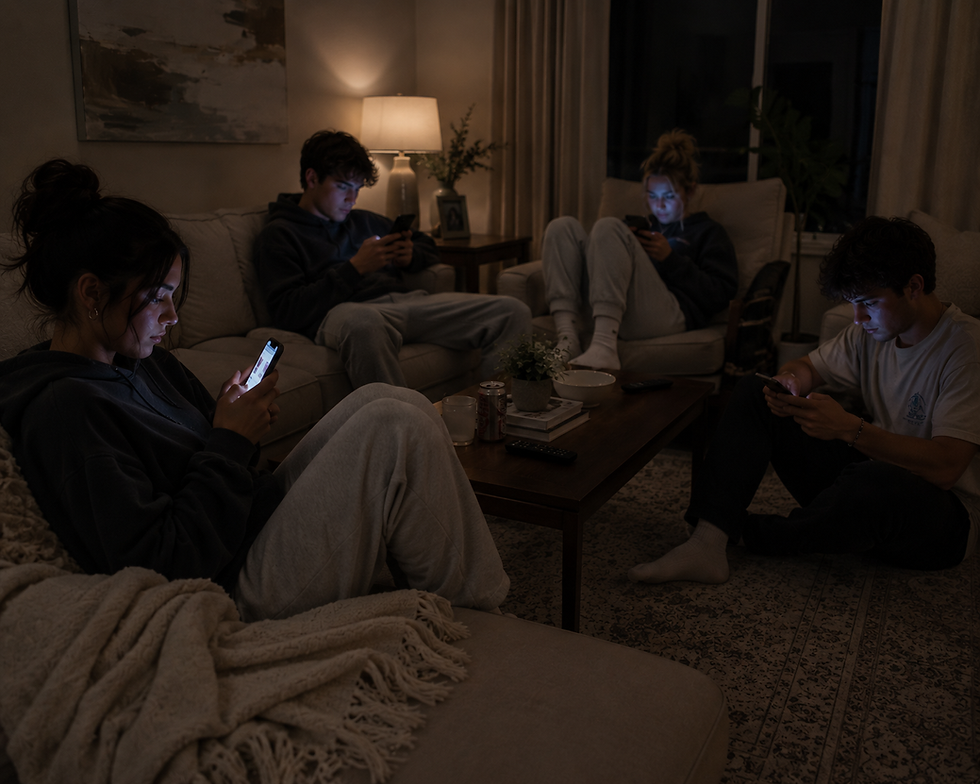
In today’s digital world, many people spend hours scrolling through bad news without even realizing how much it is affecting their mental health. From social media feeds to nonstop breaking news alerts, people are constantly exposed to stressful headlines, political conflict, violence, economic anxiety, and negative online content.
This habit has become known as “doomscrolling” — the compulsive tendency to continuously consume upsetting or stressful news online. While staying informed is important, constant exposure to negativity can leave people emotionally drained, anxious, and mentally overwhelmed.
For many individuals, doomscrolling has quietly become a major contributor to stress, burnout, anxiety, and emotional exhaustion.
What Is Doomscrolling?
Doomscrolling refers to repeatedly scrolling through negative news, social media posts, or distressing online content for long periods of time.
People often continue scrolling even when the content is increasing stress or making them feel emotionally worse.
Common doomscrolling habits include:
Constantly checking breaking news
Reading upsetting headlines late at night
Obsessively following crises or tragedies
Spending hours on negative social media content
Refreshing feeds repeatedly for updates
Many people do this automatically without realizing how much emotional strain it creates.
Why Doomscrolling Feels Addictive
Negative news grabs attention because the brain is naturally wired to focus on potential threats or danger. Social media algorithms also encourage users to stay engaged by continuously feeding emotionally charged content.
This creates a cycle where people:
Feel anxious
Look for more information
Continue scrolling
Become even more overwhelmed
How Constant News Consumption Impacts Mental Health
Excessive exposure to stressful content can affect both emotional and physical well-being.
Common mental health effects may include:
Anxiety
Stress
Panic symptoms
Emotional exhaustion
Irritability
Sleep problems
Difficulty concentrating
Feelings of hopelessness
Many people report feeling mentally drained after long periods of consuming negative online content.
The Connection Between Doomscrolling and Anxiety
People struggling with anxiety are often especially vulnerable to doomscrolling habits. Some individuals continue searching for information in an attempt to feel more prepared or in control.
Unfortunately, nonstop exposure to alarming content can increase:
Racing thoughts
Fear
Catastrophic thinking
Nervousness
Emotional overwhelm
Instead of reducing anxiety, doomscrolling often intensifies it.
Social Media’s Role in Emotional Overload
Social media platforms combine news, opinions, arguments, and personal content all in one place. This constant emotional stimulation can overwhelm the brain over time.
Many people experience:
Information overload
Emotional fatigue
Comparison stress
Increased anger or frustration
Reduced attention span
The brain rarely gets enough time to fully rest or emotionally reset.
Sleep and Burnout Problems
One of the biggest issues connected to doomscrolling is late-night screen use. Many people scroll through upsetting content right before bed, which can interfere with sleep quality.
Poor sleep may lead to:
Fatigue
Irritability
Brain fog
Increased stress
Emotional instability
When combined with daily stress and nonstop digital stimulation, doomscrolling can contribute heavily to burnout.
The Link Between Mental Health and Unhealthy Coping Habits
Constant stress and emotional exhaustion can sometimes increase unhealthy coping behaviors such as:
Alcohol use
Substance abuse
Emotional eating
Social withdrawal
Avoidance behaviors
When people feel mentally overwhelmed for long periods, they may look for ways to temporarily numb stress or anxiety.
This is why managing digital habits has become increasingly important for mental wellness.
Healthier Ways to Stay Informed
Staying informed does not have to damage mental health. Creating healthier boundaries around news consumption can help reduce emotional overload.
Helpful strategies include:
Limiting time spent on news apps
Avoiding scrolling before bed
Taking social media breaks
Turning off unnecessary notifications
Spending more time offline
Focusing on trusted news sources
Practicing mindfulness and stress management
Creating balance is often more important than completely avoiding technology.
Prioritizing Mental Wellness in a Digital World
Technology and news access are now part of everyday life, but emotional well-being still requires rest, boundaries, and healthy coping habits.
Mental health improves when people allow themselves time to:
Disconnect
Relax
Sleep properly
Spend time outdoors
Build real-world relationships
Focus on positive experiences
Small lifestyle changes can significantly reduce stress and emotional exhaustion over time.
Final Thoughts
Doomscrolling and constant news consumption are quietly affecting the mental health of millions of people. While staying informed is important, nonstop exposure to stressful content can increase anxiety, emotional fatigue, burnout, and hopelessness.
Creating healthier digital habits and prioritizing emotional wellness can help people feel more balanced, focused, and mentally healthy in an increasingly connected world.
Mental health matters just as much as staying informed.
If you or a loved one are struggling with addiction or mental health issues, please give us a call today at 844-909-2525.
Life is short, and getting help today can change everything tomorrow.
FAQ
What is doomscrolling?
Doomscrolling refers to compulsively consuming large amounts of negative news or stressful online content for long periods of time.
Can doomscrolling affect mental health?
Yes. Excessive exposure to negative news can increase anxiety, stress, burnout, emotional exhaustion, and sleep problems.
Why is doomscrolling hard to stop?
The brain is naturally drawn to potential threats, and social media algorithms often encourage continued engagement with emotionally charged content.
Can doomscrolling worsen anxiety?
Absolutely. Constant exposure to alarming information can increase fear, racing thoughts, and emotional overwhelm.
How can someone reduce doomscrolling?
Setting screen-time boundaries, limiting news exposure, avoiding late-night scrolling, and taking social media breaks can all help improve mental wellness.


Comments